Guide operating drone equipment on a remote Mangystau desert route

Is KazakhstanSafe to Visit?Tourist and Desert Advice

For most tourists, yes with normal precautions; in Mangystau the bigger risks are environmental, not crime.

Safety in Kazakhstan is mostly straightforward in cities, but Mangystau’s desert needs serious preparation, a capable vehicle and local route knowledge.

Safety guide

Quick answer: yes, but respect the desert

Last updated: June 19, 2026

Kazakhstan is generally safe for tourists, and most visits are trouble-free. As of June 19, 2026, the US advisory for Kazakhstan is at its lowest level, and Canada also frames normal tourist travel with standard precautions. These ratings can change, so always check your own government’s travel advice before booking.

In cities, the main everyday risks are not unusual: pickpocketing in crowded places, inflated taxi fares, and the normal need to watch bags, documents and payment cards. Violent crime against tourists is uncommon. Solo female travelers often report feeling comfortable, though occasional verbal attention can happen, and modest clothing is sensible in rural or conservative places.

In Mangystau, the real safety issue is different: heat, dehydration, soft ground, mud, wind, cliff edges, long distances and limited phone signal. This is exactly why travelers use a local guide, a proper 4x4, water planning, recovery equipment and communications. Free Starlink Wi-Fi is included on tours when prepared before departure, but it is still better to prevent problems than to rely on rescue.
Written by Sergey Khachatryan, local Mangystau guide

Sergey has explored Mangystau routes since 2000, first as a hobby and now sharing the region with travelers. His planning focuses on realistic driving times, safe 4x4 access, weather, communications, and desert safety.

Sergey’s field note

Sergey recalls:

In Mangystau the problem is rarely dramatic. It usually starts small: someone did not drink enough water, a sound in the car changes, the road that was good in the morning is bad after rain. One summer a group underestimated the heat; in Aktau they were joking, saying they were used to hot weather. But in the open desert there is no shade, and the wind makes you think you are not sweating.

After a walk one guest went very quiet. That is the first sign I watch for, not complaining but suddenly silent and slow. I stopped, put him in the shade of the car, gave water slowly, and made everyone rest longer than planned. Then I changed the route and we reached the overnight place early. In Mangystau you cannot fight the day; you adjust to it.

We had a car problem far from the main road. Not a disaster, but enough that you do not continue blindly. The guests wanted to keep the original plan because they had seen the photos online. I told them, "Photos do not know today's road. We are here now, so we decide from today." That is what experience gives you: not only knowing where the beautiful places are, but knowing when to turn back, when to wait, and when to say no.

Sergey Khachatryan, local Mangystau guide
Sergey Khachatryan, local Mangystau guide.
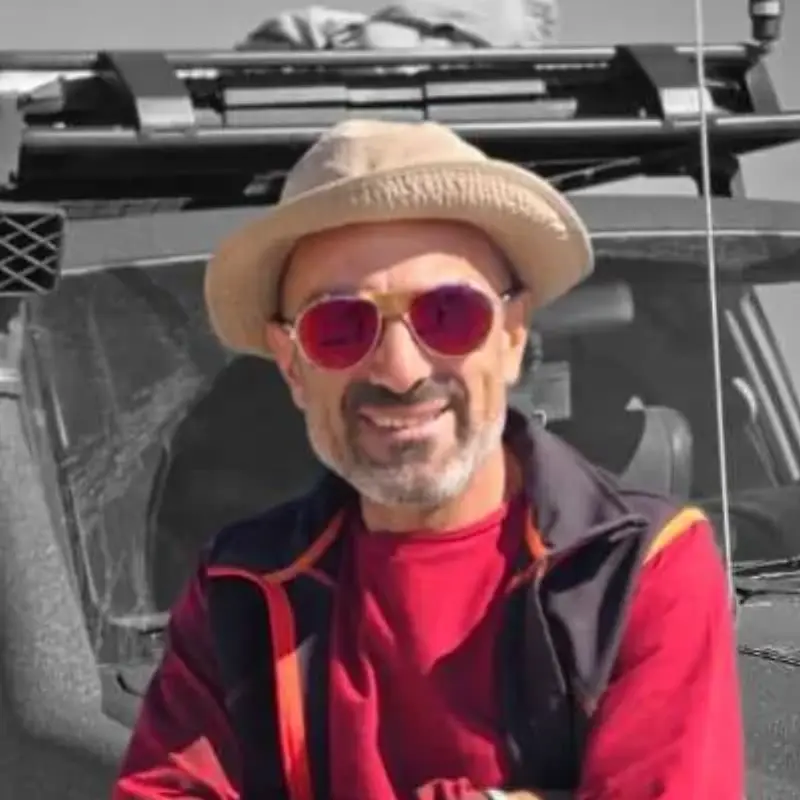
Operator equipment on a remote Mangystau route with open desert around
Remote routes need preparation, communications and calm decisions.
Safe overnight desert camp organized on a Mangystau 4x4 tour
A planned camp is safer than improvising after a long driving day.
Salt and mud terrain near Tuzbair where vehicles should not cross blindly
Soft ground and salt flats are environmental risks, not photo props for cars.

Risk breakdown

What safety means in practice

The answer changes depending on whether you mean city travel or remote desert travel.

01

Normal city precautions

In Aktau, Almaty or Astana, use normal travel habits: official taxis or apps, careful pockets in crowds, and no visible valuables left unattended. Tap water is not always the best choice, so drink bottled or filtered water.

02

Solo and female travelers

Many solo travelers feel safe in Kazakhstan, but rural customs can be more conservative. Dress modestly at sacred places, avoid isolated city areas late at night, and share travel plans with someone you trust.

03

The desert is the main risk

Mangystau routes include Bozzhyra, Ustyurt, Tuzbair and Torysh, where there may be no services or phone signal. Heat, mud and mechanical issues matter more than crime.

04

How a guide reduces risk

A professional route means checked vehicles, known tracks, water, timing, recovery gear, realistic camps and communication planning. It also avoids common self-drive problems such as getting stuck or losing daylight.

Safety habits that matter

  • Check your own government advisory before travel because ratings change.
  • Use normal city precautions with taxis, bags, ATMs and crowded areas.
  • Do not underestimate heat, wind, dust, dehydration or lack of shade inland.
  • Never drive across salt flats or soft ground without local guidance.
  • Tell us if internet access matters; free Starlink Wi-Fi is included when prepared before departure.

FAQ

Kazakhstan safety FAQ

Short answers for visitors comparing independent travel and guided desert routes.

Is Kazakhstan safe for tourists?

Yes, most tourist visits are trouble-free with normal precautions. Always check your own government’s current advisory before travel.

Is Mangystau safe to visit?

Yes with the right preparation. The main risks are environmental: heat, distance, soft ground, no services and limited signal.

Is Kazakhstan safe for solo female travelers?

Many solo female travelers report feeling safe, but modest dress and normal caution are useful, especially in rural or conservative areas.

Is it safe to self-drive in Mangystau?

Self-driving is risky if you do not know the tracks, weather and recovery limits. A guided 4x4 route is safer for most visitors.

Travel safely

Use a guided route for the remote desert

Tell us your dates, group size and comfort level. We will build a realistic route with 4x4 access, water planning, camps and free Starlink Wi-Fi when prepared before departure.

Ask About Safe Routes